
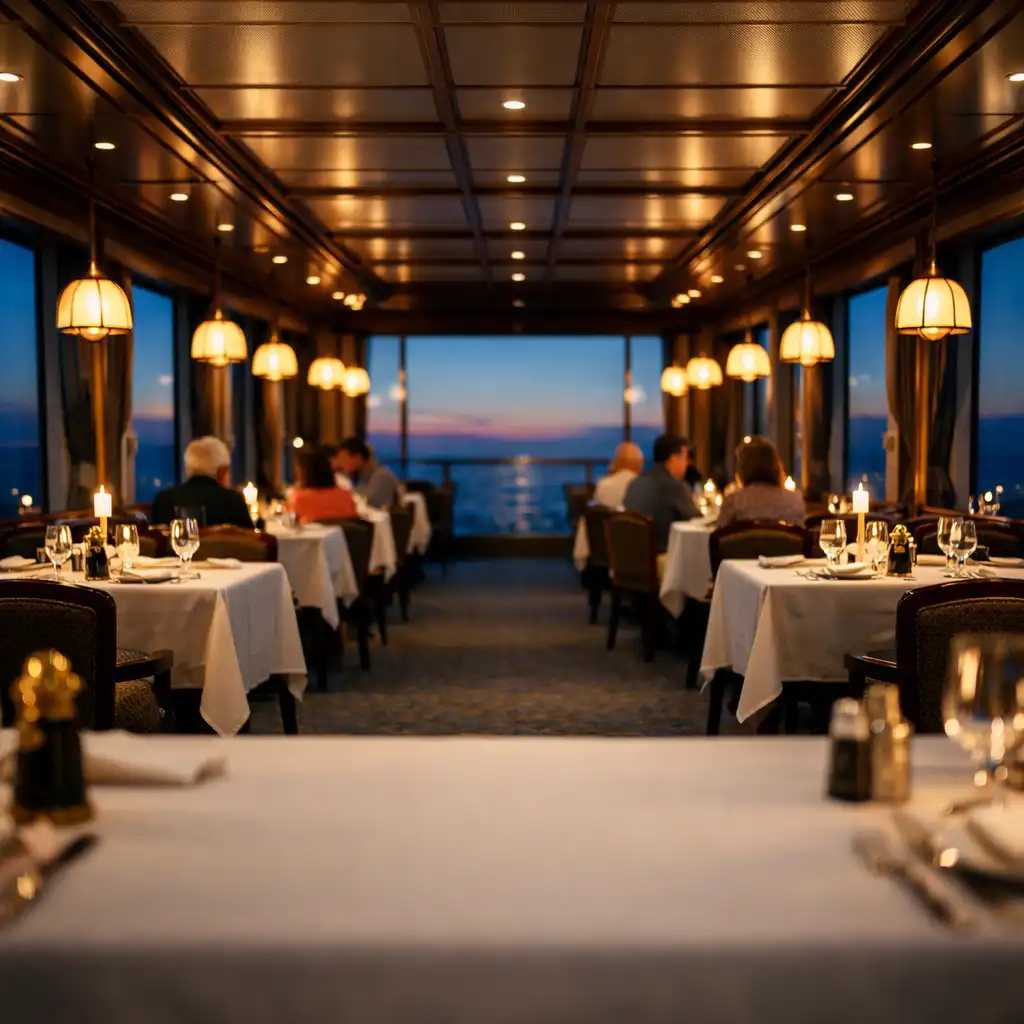
Elegant ocean liner restaurant at dusk with panoramic ocean views and warm interior lighting

Onboard Dining & Entertainment

Restaurants & Shows

Bluewatervoyager reviews the onboard restaurants, bars, and show venues that define an ocean liner evening.

Coverage spans main dining rooms, specialty restaurants, casual eateries, and production showrooms. Reviews focus on food quality, service pacing, venue design, and how well a ship delivers its promised experience. Theatrical coverage includes production shows, guest performers, live music, and late-night entertainment.

How We Review Onboard Dining

A structured approach to every venue

Each restaurant is assessed against the same criteria, from menu ambition to service rhythm. Food quality is judged by ingredient sourcing, execution, and consistency across multiple sittings. Service pacing is measured against the venue's intended style: a relaxed brasserie should not feel rushed, while a tasting menu must move without gaps.

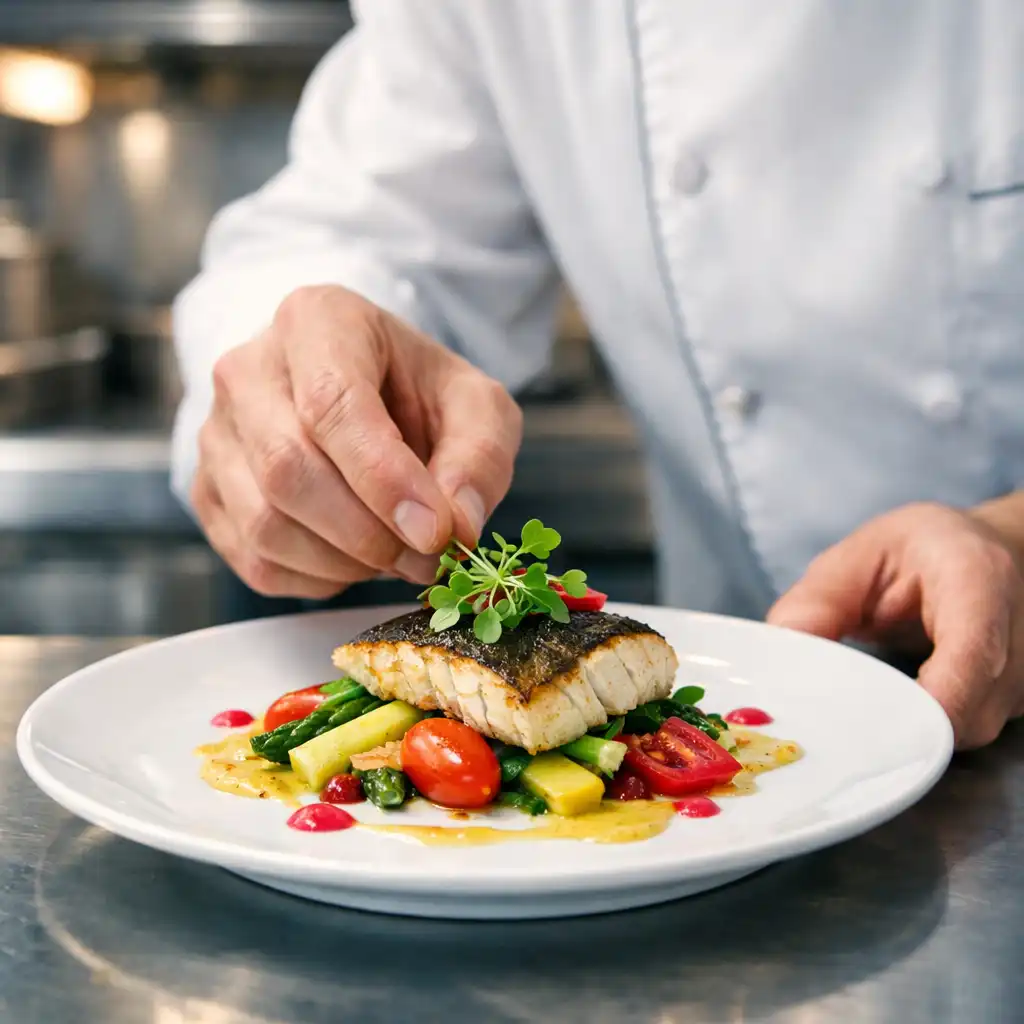
Chef plating an elegant dish in a ship galley with stainless steel surfaces
Precision and consistency matter as much as the recipe itself.

Venue design is considered for acoustics, sightlines, and how well the room supports the meal. A beautifully plated dish loses its appeal in a noisy, cramped space. Value is assessed against the cruise fare and comparable specialty dining on other ships. We ask whether a surcharge is justified by the quality of ingredients, the skill of the kitchen, and the overall experience.

Because Bluewatervoyager reviews ocean cruise ships and their onboard infrastructure, our dining notes are always tied to the ship itself. A restaurant that works on one vessel may feel completely different on another, even within the same cruise line. That context is what makes our comparisons useful for Australian travellers planning a voyage.

Dining Categories We Cover

Three ways to eat at sea

Main Dining Rooms

The traditional heart of shipboard dining

Now often reimagined as flexible multi-course experiences. Expect rotating menus, formal service, and a consistent baseline of quality. Some lines have replaced fixed seatings with open dining, changing the evening rhythm. Review focus: menu variety, execution under high volume, and room atmosphere.
Specialty Restaurants

Reservation-only venues with a sharper point of view

Steakhouses, French bistros, sushi counters, and chef-led tasting menus are common. Quality can rival land-based fine dining, but consistency varies by ship and line. Review focus: ingredient quality, technique, and whether the surcharge is justified.

Casual & Buffet Venues

Daytime and informal dining, elevated

From poolside grills to late-night buffets, these spaces define daytime and informal dining. Quality has improved dramatically, with action stations and made-to-order options. Crowding and queue management are key review factors. Review focus: freshness, variety, and how well the space handles peak times.

Comparing Dining Across Ships

Five factors that separate good from great

Use these five criteria when reading our liner guides or comparing ships side by side.

  1. 1

    Menu ambition

    Does the kitchen take risks or play it safe? A menu that changes with the region and season shows a commitment to quality beyond standard banquet fare. Look for dishes that reflect the itinerary rather than a generic international buffet.

  2. 2

    Ingredient sourcing

    Fresh seafood, quality meats, and seasonal produce matter. The best ships build relationships with local suppliers at ports of call, and you can taste the difference. Frozen and pre-prepared items are easy to spot when you know what to look for.

  3. 3

    Service consistency

    Is the experience reliable across multiple nights? A great first dinner means little if the second night falls apart. We look for kitchens and dining rooms that maintain their standards under the pressure of a full ship.

  4. 4

    Venue design

    Acoustics, lighting, and table spacing affect enjoyment. A room that is too loud or too bright can ruin an otherwise excellent meal. We note how well the space supports conversation and relaxation.

  5. 5

    Value

    Does the included dining feel generous, and are specialty surcharges fair? We compare the total dining experience against the cruise fare and against similar venues on other ships. Value is not just about price; it is about what you receive for it.

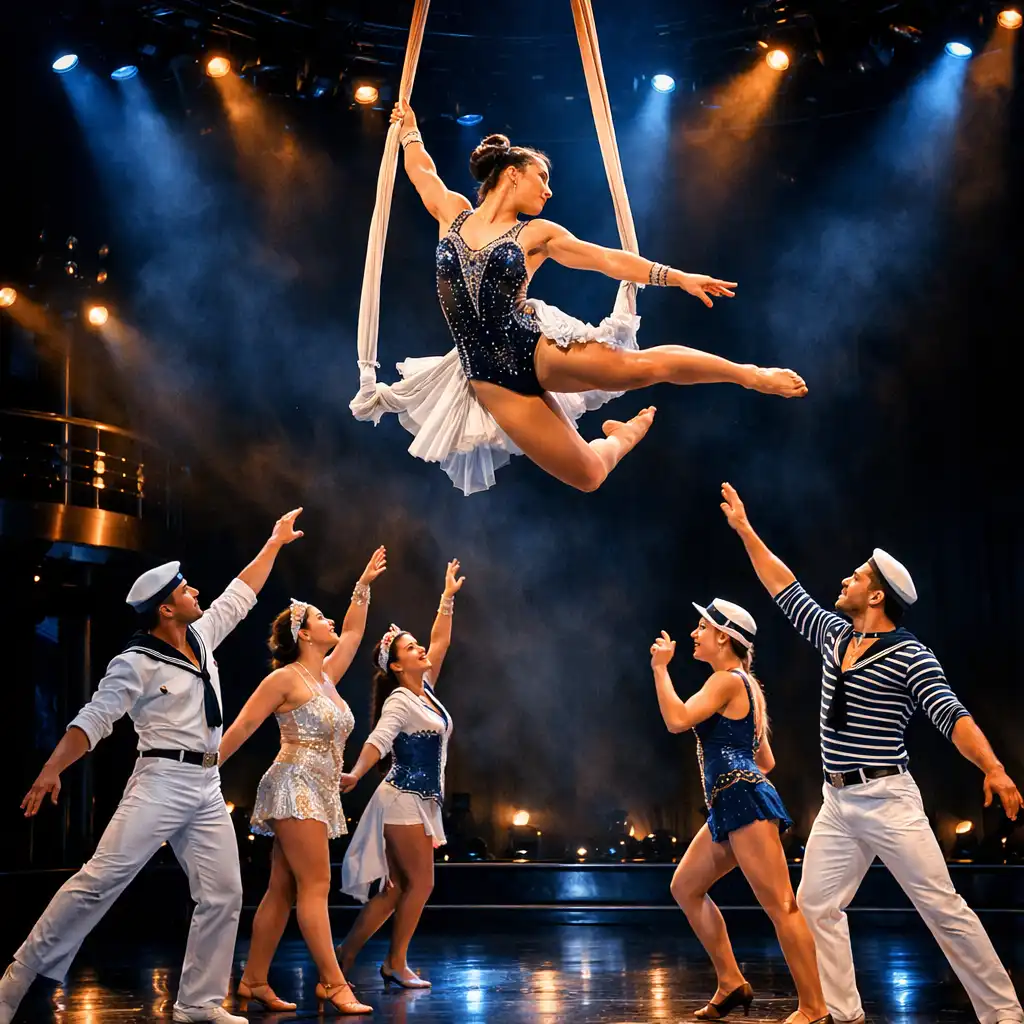
Ship theatre during a production show with dramatic stage lighting and performers
A modern shipboard theatre in full production: lighting, staging, and vocal talent combine for a memorable evening.

Showrooms and Production Shows

The modern showroom at sea

Production shows have evolved from variety revues into tightly choreographed, technically ambitious performances. Expect Broadway-style musical numbers, aerial acts, and multimedia stagecraft. Show quality varies by line and ship class; newer ships often have purpose-built theatres with advanced rigging. Our reviews assess vocal talent, staging, pacing, and how well the show fits the ship's overall character.

Beyond the Main Stage

Live music, comedy, and late-night venues

The best ships offer a full evening circuit, from piano bars to comedy clubs and deck parties. Live music ranges from jazz trios in intimate lounges to full party bands on the lido deck. Comedy clubs are increasingly common, often with adult-only late shows. Deck parties and themed nights add a social dimension that production shows cannot. Our reviews note venue capacity, sound quality, and how well the schedule avoids conflicts.

Venue types we review

  • Piano bars
  • Jazz lounges
  • Comedy clubs
  • Deck parties
  • Late-night DJ sets

Planning Your Evenings

Reservations, dress codes, and timing

A little planning goes a long way toward getting the evenings you want. Specialty restaurants often book out early; reserve on embarkation day or via the line's app. Dress codes vary by line and venue; most ships have at least one formal night per week.

Coordinate dinner and showtimes

Show times are usually coordinated with dinner seatings, but late shows are less crowded. If you prefer a relaxed meal before the theatre, choose an early seating and allow enough time to change. If you would rather dine after the show, look for venues that stay open late.

Make requests before you sail

If you have a preferred dining time, request it before sailing or as soon as you board. Many lines allow you to pre-book specialty restaurants through their app or website. On embarkation day, visit the dining reservations desk to confirm your choices and ask about any changes to the schedule.

What Makes a Standout Show

Our entertainment review criteria

We judge shows on four dimensions: performance quality, staging, originality, and audience engagement. Performance quality covers vocal ability, dance precision, and individual charisma. Staging includes set design, lighting, sound, and use of the theatre's technical capabilities. Originality rewards shows that avoid cruise-ship clichés and offer something memorable. Audience engagement measures how well the show holds attention from start to finish.